
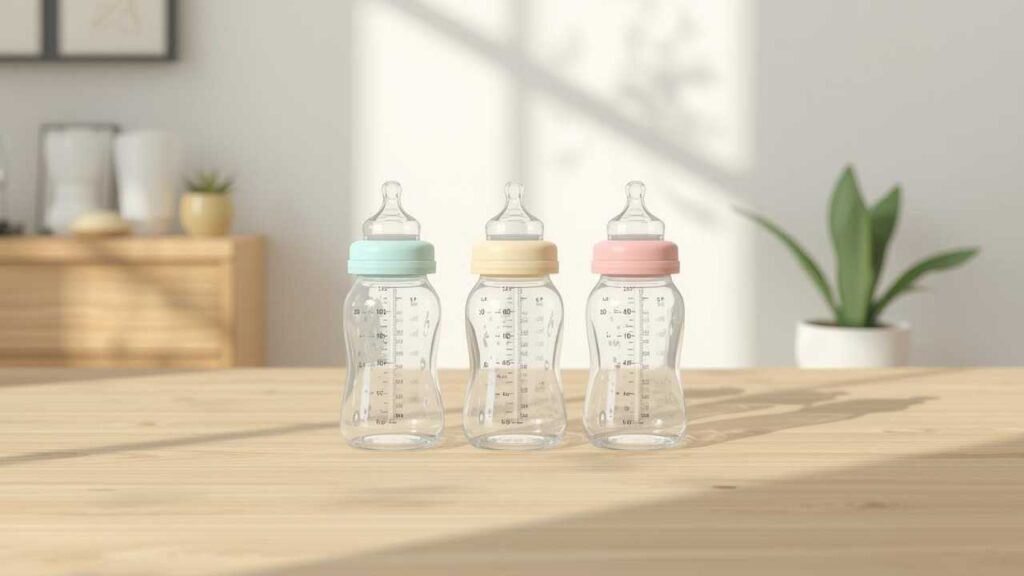
7 Best non toxic baby bottles of 2026: Glass vs. Silicone Guide
If you’re comparing non toxic baby bottles, you’re already doing the most important thing: looking past “BPA-free” marketing and focusing on the actual materials your baby uses every day. In 2026, most parents narrow it down to two realistic options—glass or silicone—then get stuck on the details: microplastics, cleaning, anti-colic systems, and whether milk touches plastic parts at all.
This guide gives you clear winners (with real-life trade-offs), plus a simple buying checklist you can use in five minutes.
Affiliate disclosure: This article contains affiliate links. If you buy through them, we may earn a commission at no extra cost to you. Our picks are based on materials, safety standards, and everyday usability—not commission rates.
Educational note: This is general shopping guidance, not medical advice.
Quick Answer
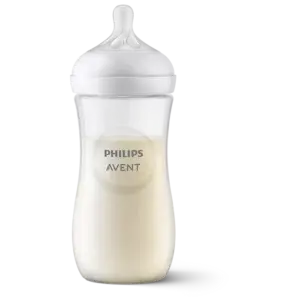
Best overall (glass): Philips Avent Natural Response Glass — a straightforward borosilicate glass bottle with wide availability and fewer parts than many vented systems.
Best travel/daycare (silicone): Comotomo Silicone — soft, grippy, wide-neck, and easy to clean.
Best anti-colic setup (glass): Dr. Brown’s Options+ Glass — a well-known vented system, but you’ll wash more parts. Dr. Brown’s
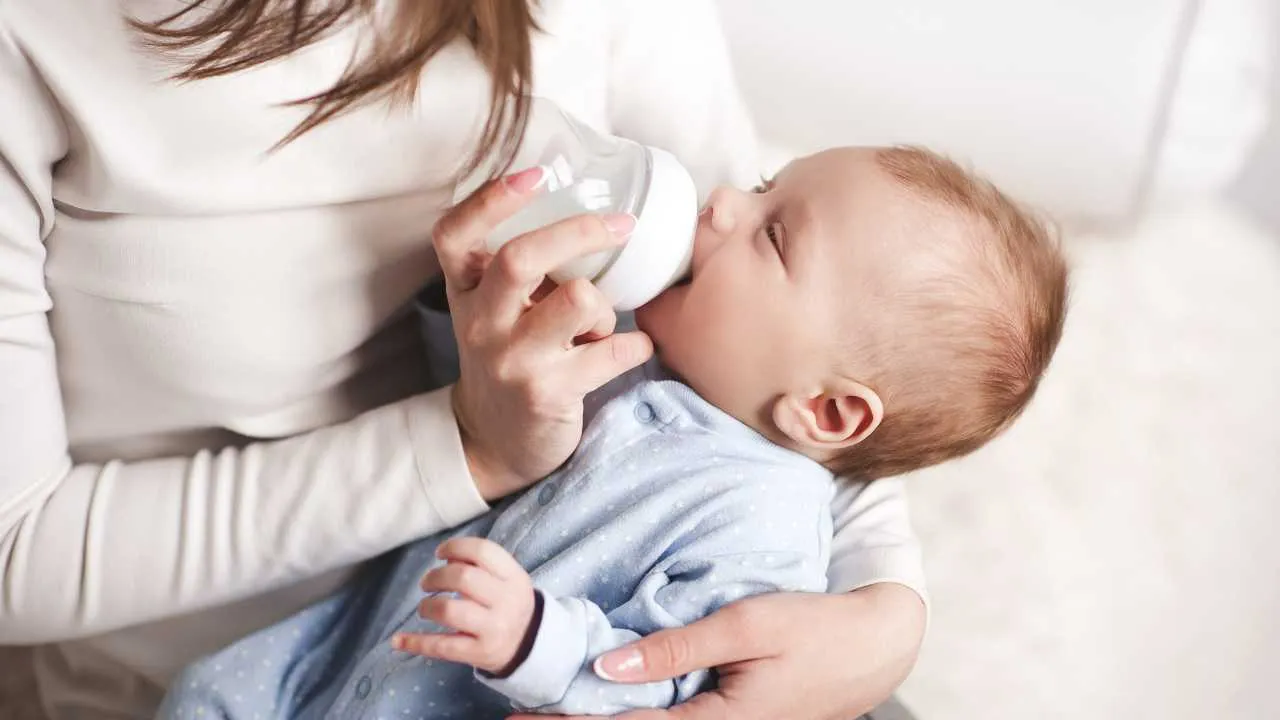
At a Glance: the 7 best picks
| Bottle | Main material | Best for | What to know (honest trade-off) | Ease of cleaning (1–5) | Shop link |
| Philips Avent Natural Response Glass | Borosilicate glass | Most families | Simple design; easy to keep consistent | 4/5 | See current price |
| Dr. Brown’s Options+ Glass | Glass + vent system | Anti-colic glass bottles | More parts; cleaning time is real | 2/5 | See current price |
| Lifefactory Glass + Silicone Sleeve | Borosilicate glass + sleeve | Grip + drop protection | Cap/ring are polypropylene (common, but not “plastic-free”) | 4/5 | See current price |
| Evenflo Classic Glass | Glass | Budget + backups | Classic, minimal fuss | 5/5 | See current price |
| Comotomo Silicone | Silicone | Travel/daycare | Wide-neck, soft, easy cleaning | 5/5 | See current price |
| Olababy GentleBottle | Silicone | Soft latch feel | Offset nipple design; comfy grip | 4/5 | See current price |
| Nanobébé Flexy Silicone | Silicone | Best bottles for breastfed babies (often) | Soft, flexible feel; check parts availability where you live | 4/5 | See current price |
Editor’s Pick callout
If you want one bottle system that covers most situations without complicating your kitchen: choose Avent glass for home + Comotomo silicone for travel/daycare. It’s the simplest “two-bottle strategy” that still feels intentional.
The 2026 perspective (what’s changed)
In 2026, parents are asking smarter questions than “Is it BPA-free?” Two trends show up again and again:
- Microplastics awareness (especially when heat is involved). A widely cited Nature Food study found polypropylene infant feeding bottles can release microplastics during common formula-prep steps, with higher release linked to high-temperature exposure. Glass avoids that specific issue from the bottle body.
- Beyond BPA: BPS/BPF curiosity. Parents who already know to avoid BPA often start searching for “BPS and BPF-free” too. Even if you don’t chase every label, it’s a reminder that “BPA-free” isn’t the same as “risk-free.”
How to choose non toxic baby bottles in 2026
Use this simple decision tree:
- Do you warm milk or prep formula in the bottle often?
Choose glass for the most conservative material choice with heat. - Do you need unbreakable bottles for daycare, travel, or tossing into a bag?
Choose silicone for durability and grip. - Is your baby sensitive to air intake (gas, fussiness), and vented bottles genuinely help?
Choose a vented system (like Dr. Brown’s), but accept that it’s not the fastest to clean. - Are you aiming for plastic-free baby bottles?
Consider stainless steel + silicone systems as an alternative to glass (see honorable mention below).
How we chose these bottles
We selected these options using a parent-first method:
- Transparent material info (glass/silicone body; minimal unnecessary coatings/inks)
- Replacement parts availability (nipples, rings, vents)
- Cleaning complexity (time, number of parts, “lost piece” risk)
- Fit for common needs (anti-colic, breastfed babies, travel/daycare)
- Standards awareness (in the EU/UK, look for products marketed as compliant with EN 14350 for young children’s drinking equipment)
Not every product listed is personally tested by us. This is an editorial selection based on documentation, standards context, and practical buying criteria.
The 7 picks: honest mini-reviews
Philips Avent Natural Response Glass (Best overall)
Why it’s here: A mainstream, easy-to-maintain glass option that many families can stick with long-term. The Natural Response nipple is designed to release milk when baby actively drinks.
Best for: A simple everyday system with fewer parts.
Dr. Brown’s Options+ Glass (Best for anti-colic routines)
Why it’s here: The brand’s internal vent system is positioned as clinically proven to reduce colic; many parents choose it specifically for gas/spit-up patterns.
Trade-off: More parts. If you want low mental load, this is not the fastest wash.
Lifefactory Glass with Silicone Sleeve (Best protected glass)
Why it’s here: Borosilicate glass plus sleeve grip and a bit more “drop confidence.”
Important detail: Lifefactory lists a polypropylene cap/ring/stopper alongside the glass and silicone components—totally normal, but not fully plastic-free.
Evenflo Classic Glass (Best budget + easiest cleaning)
Why it’s here: Classic design, quick assembly, and a simple wash routine. Evenflo notes the glass option includes 100% silicone slow-flow nipples.
Best for: Backups, grandparents, daycare rotation, or anyone who hates “parts.”
Comotomo Silicone (Best travel/daycare)
Why it’s here: A soft silicone bottle that’s widely loved for grip and wide-neck cleaning. Comotomo states their bottle and nipple are made with hygienic silicone free of BPA and other toxic chemicals.
Best for: Unbreakable convenience.
Olababy GentleBottle (Best soft latch feel)
Why it’s here: Olababy states the GentleBottle is made of 100% non-toxic silicone and designed to support easy latching.
Best for: Babies who prefer a softer, more natural-feeling shape.
Nanobébé Flexy Silicone (Best “flexible feel” option)
Why it’s here: A soft silicone bottle designed around a flexible, breast-like feel and a parent-friendly hold.
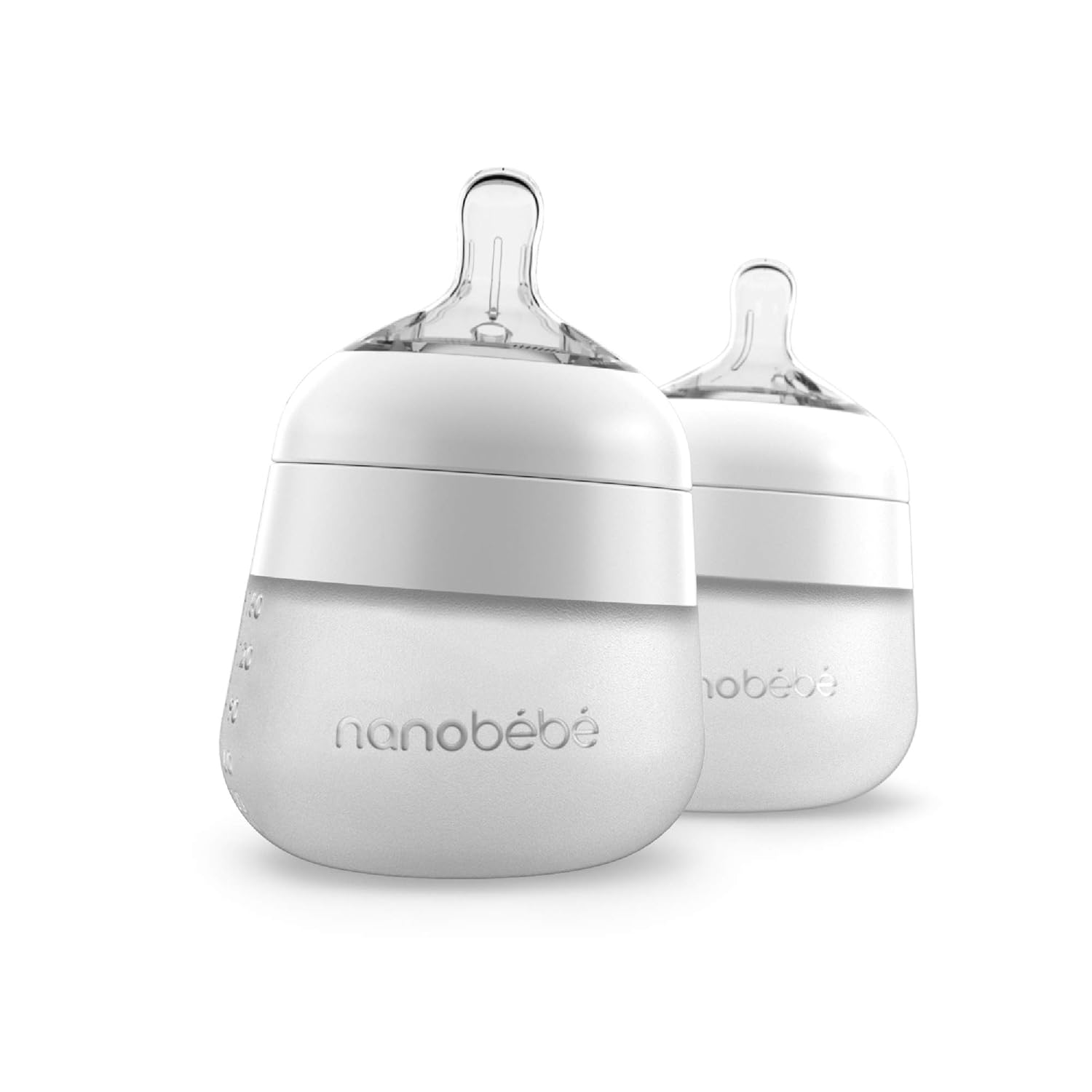
Best for: Many breastfed babies (but always baby-dependent).
Read also: Choosing safe bottles is just the start — explore organic, non-toxic baby clothes that are gentle on newborn skin: Organic Baby Clothes: Non-Toxic Newborn Clothing & Trends Guide (2026)
Deep “non-toxic” insight: the plastic lid and nipple reality
Here’s what most roundups skip: even glass bottles often include plastic rings/collars or caps. That doesn’t automatically make them unsafe, but if your goal is to reduce plastic contact—especially with warm milk—it’s worth choosing designs with:
- fewer inserts,
- fewer internal parts,
- clear documentation about what touches milk.
Microplastics and heating: why glass is the calm choice for many families
If you frequently use hot water steps (sterilizing, warming, or formula prep), material choice matters. The Nature Food study on polypropylene infant feeding bottles reported significantly higher microplastic release with higher temperatures. Glass avoids that specific release pathway from the bottle body.
Practical takeaway: glass is a conservative option when heat is part of your routine.
Silicone wear & tear (real-life maintenance)
Silicone is convenient, but it can pick up detergent scent and hold onto milk fat residue over time.
Quick parent tip: if silicone starts smelling like soap, simmer it in water with a small amount of baking soda, then rinse well. Always follow your brand’s care instructions first.
What to look for (save this checklist)
- Simple parts unless you truly need anti-colic vents
- Easy replacement nipples (this matters more than most people think)
- Clear material info (avoid “mystery” marketplace brands)
- EU/UK: look for products marketed as EN 14350 compliant
- If you use heat often: prioritize glass or a clearly documented system
When to talk to a pediatrician
If your baby has persistent choking/coughing during feeds, poor weight gain, severe reflux symptoms, or feeding distress that doesn’t improve with basic changes, talk to your pediatrician or a qualified feeding professional.
FAQs
Are “BPA-free” bottles enough?
BPA-free is a baseline. In the US, FDA amended regulations to no longer provide for BPA-based polycarbonate resins in baby bottles and sippy cups (after those uses were abandoned).
In the EU, baby bottles containing BPA were banned from manufacture/market placement years ago.
Which bottle is best for breastfed babies?
Many breastfed babies do well with nipples designed for paced feeding and a shape they accept consistently. A “best” bottle is the one your baby feeds calmly from and you can keep clean and consistent.
Are anti-colic bottles worth it?
They can be—especially for babies who swallow more air. The trade-off is cleaning time and extra parts.
How often should I replace nipples?
Replace nipples if they look cloudy, feel sticky, have bite marks, or show tearing. Worn nipples can affect feeding even if the bottle body is perfect.
Final verdict
Pick the bottle system you can maintain with the least friction—and treat nipples as a replaceable part of your feeding routine, not a “forever” accessory. For many families, one glass option for home and one silicone option for on-the-go covers nearly everything.
Before you buy anything new, check your nipples today—if they’re cloudy, sticky, or have bite marks, swap them out. A simple routine beats perfect research, and the best non toxic baby bottles are the ones you can keep clean, consistent, and maintained over time.
References
- Microplastic release from polypropylene infant feeding bottles during formula preparation (Nature Food, 2020).
- FDA: Bisphenol A (BPA) use in food contact applications; baby bottles/sippy cups polycarbonate resins use removed after abandonment.
- European Commission press release on BPA baby bottle ban (Directive 2011/8/EU context).
- EN 14350 overview (drinking equipment for young children; safety requirements and test methods).