
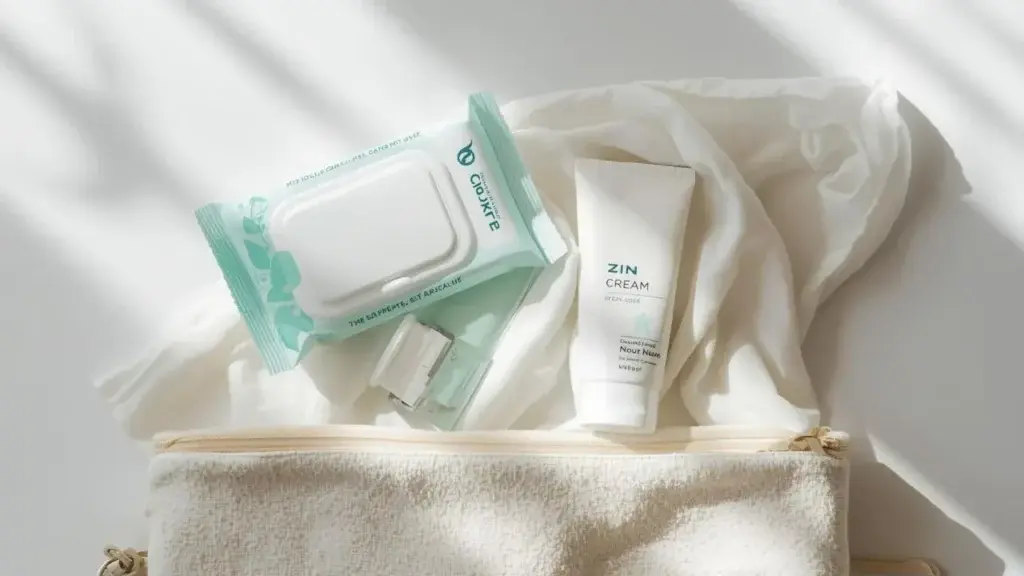
Non toxic baby wipes (2026): the safest picks beyond “chemical-free” marketing
Parents searching for non toxic baby wipes in 2026 are usually trying to avoid three things: hidden fragrance, harsh preservatives, and “greenwashed” labels that don’t match the ingredient list.
The goal isn’t perfection. It’s choosing wipes that are genuinely gentle for daily use, practical during messy changes, and honest about how they’re made.
This guide is educational and not medical advice.
Affiliate disclosure: If you buy through some links on this page, we may earn a small commission at no extra cost to you. We only recommend products we believe meet our safety-first criteria.
Quick Answer
If you want the simplest everyday option for newborn and sensitive skin, start with a water-based, fragrance-free wipe with a short ingredient list. If your baby is rash-prone, prioritize fragrance-free over “unscented” and keep formulas minimal. The American Academy of Pediatrics also suggests using fragrance-free wipes—or plain water—especially for delicate skin.
At a Glance: Top Picks for 2026
Ease of cleaning reflects thickness/texture + pack usability (dispensing/seal) based on manufacturer specs and consistent user-reported patterns—not lab testing.
| Wipe | Best for | Key win | Trade-off | Ease of cleaning (1–5) | Quick link |
| WaterWipes (Original/Sensitive) | Newborns, ultra-minimal routines | Very short ingredient list | “Water-heavy” feel; less slip | 4 | See current price |
| Honest Clean Conscious Wipes (Unscented) | Parents wanting third-party seals | EWG VERIFIED™, OK compost HOME® shown | Higher price | 4 | See current price |
| Pampers Aqua Pure | Easy to find (US + many markets) | 99% water positioning; fragrance-free claim | Not the shortest INCI | 5 | See current price |
| Huggies Natural Care Sensitive | Sensitive-skin households | NEA Seal of Acceptance | Not as “minimal” as water-only wipes | 4 | See current price |
| Natracare Organic Baby Wipes | Ingredient purists | No SLS/parabens/MIT (brand-stated) | Contains essential oils (can bother some) | 3 | See current price |
| Bambo Nature Wet Wipes | EU-style label trust | Nordic Swan + Asthma Allergy Nordic | Availability varies by country | 4 | See current price |
| Eco by Naty Wet Wipes (Unscented) | Plastic-free substrate focus | Brand markets compostable plant-based fibers | Must be binned, never flushed | 3 | See current price |
The Reality Check: “Chemical-free” isn’t a real thing
Everything is made of chemicals—even water. What most parents mean by “chemical-free baby wipes” is usually:
- Fragrance-free (not “unscented”) to reduce irritation risk. The American Academy of Dermatology specifically recommends choosing fragrance-free rather than unscented.
- Preservation that makes sense (wipes are wet; they must resist mold/bacterial growth).
- Short, transparent ingredient lists (fewer opportunities for triggers).
The 2026 perspective: why wipes are changing
In 2026, the biggest shift isn’t “BPA-free marketing” (that’s mostly bottles). It’s plastic in wipe substrates and better disposal rules. Governments and water authorities are pushing harder against plastic-containing wipes and “flushable” claims—and the public message is consistent: bin wipes, don’t flush them.
How we chose non toxic baby wipes in 2026
We filtered products using a safety-first, non-alarmist checklist:
- Fragrance-free first. We prioritize fragrance-free formulas over “unscented.”
- Preservatives with a track record. We avoid known high-problem preservatives when possible (and we explain trade-offs when not).
- Clear brand disclosure. If a brand won’t clearly show ingredients, it’s not a top pick.
- Real-life usability. Dispensing, wipe strength, moisture level, and residue matter to parents—so we consider consistent user-reported patterns and packaging design.
- A quick market cross-check (no outbound links). We compare our criteria with the common benchmarks used by established baby-gear reviewers—especially around fragrance, preservation, and everyday performance—then make our own final selections based on transparency + safety framing.
Shield delicate skin head-to-toe: check organic baby clothes – non-toxic newborn clothing & trends guide (2026).
Important: We do not claim lab testing or multi-year personal testing of these wipes. Our picks are based on ingredient disclosure, third-party seals where available, manufacturer specs, and consistent patterns across verified customer feedback.
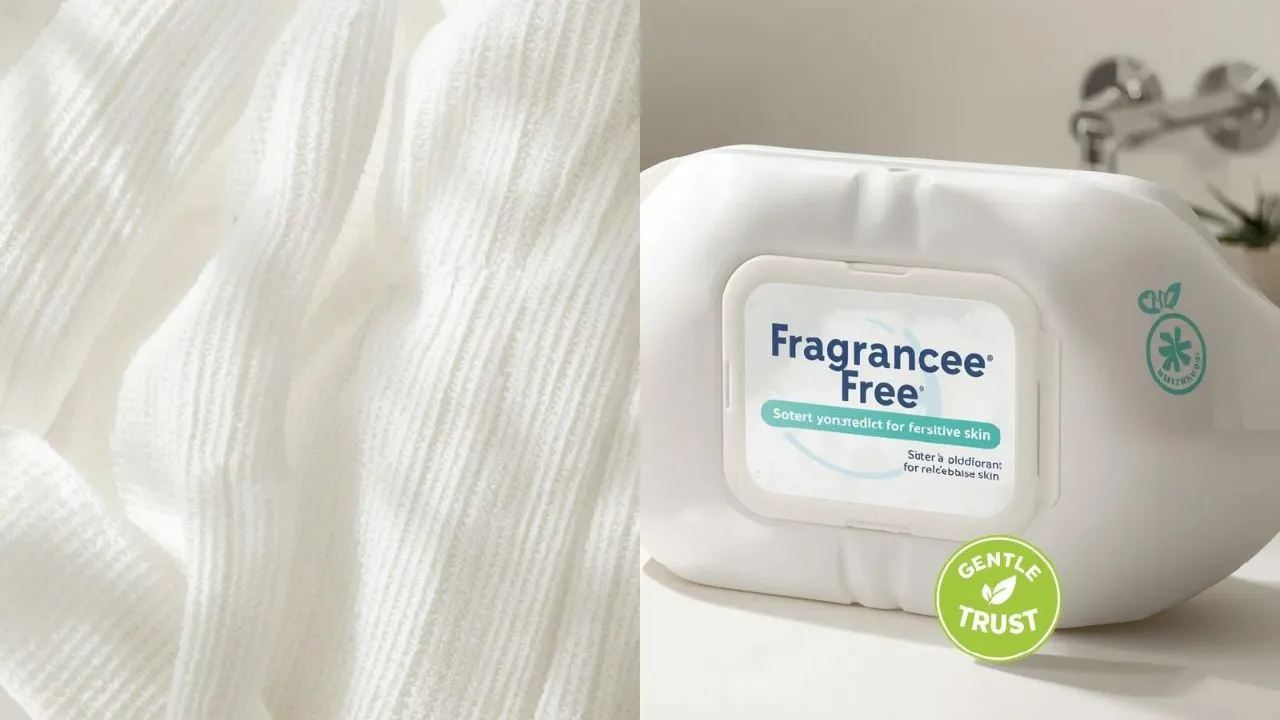
Top picks: quick reviews
1) WaterWipes (Original / Sensitive)
If you want the closest thing to “cloth + water while out of the house,” WaterWipes is the simplest mainstream option. Their ingredient list is famously short (water + small amounts of fruit-derived extracts, depending on the version).
Best for: newborns, very reactive skin routines
Consider if: you want minimal fragrance exposure and a very simple formula
2) Honest Clean Conscious Wipes (Unscented)
A strong choice when you want a wipe that combines performance with recognizable third-party seals. The brand highlights EWG VERIFIED™ and OK compost HOME® on the product page for the unscented wipes.
Best for: parents who like third-party badges and clear brand positioning
Trade-off: higher price than “water” basics
3) Pampers Aqua Pure
A practical “easy to find” option, especially for families who need something available in many stores. Pampers positions Aqua Pure as 99% water and made without alcohol, fragrance, and parabens (brand-stated).
Best for: convenience, travel, grandparents stocking up
Trade-off: ingredient list is not as minimal as the most stripped-down wipes
4) Huggies Natural Care Sensitive
A good “workhorse” wipe for many sensitive-skin households. Huggies states these are fragrance-free and have the National Eczema Association Seal of Acceptance™.
Best for: families who want a thicker-feeling, sensitive-skin positioned wipe
Trade-off: not as minimalist as water-first wipes
5) Natracare Organic Baby Wipes
Natracare is often chosen by ingredient-conscious families; the brand states these wipes are made without alcohol or synthetic fragrance and avoid SLS, parabens, and MIT.
Best for: “free-from” shoppers who read labels closely
Trade-off: the formula includes essential oils, which can bother some very sensitive skin types
6) Bambo Nature Wet Wipes
A strong EU-leaning choice for parents who trust environmental and allergy-focused labeling. Bambo Nature states certifications including the Nordic Swan Ecolabel and Asthma Allergy Nordic.
Best for: parents who value strict label frameworks and fragrance-free positioning
Trade-off: availability varies; formulas can differ by region—always check the pack
7) Eco by Naty Wet Wipes (Unscented)
If plastic-free substrate is a top priority, Eco by Naty markets wipes as compostable and water-based (availability varies).
Best for: families focused on plastic-free fibers and eco positioning
Trade-off: “compostable” depends on local conditions; and regardless of claims, wipes should be binned—not flushed.
Pair wipes with our top diaper picks: the best non-toxic disposable diapers (2026) – safer choices beyond ‘chemical-free’ marketing.
Two honorable mentions (if you want to compare before buying)
- Budget water-based option: Amazon Mama Bear 99% Water Wipes (check ingredient list carefully for your region).
- Premium transparency pick: HealthyBaby (often chosen for ingredient disclosure style and premium positioning).
(These are not ranked as top picks here because availability and regional formulas vary; always verify the exact pack INCI.)
The “plastic lid / preservative” reality (what most lists skip)
Even the cleanest wipes still need:
- A package that seals well (dry wipes can irritate skin through friction).
- A preservative system (wet products can grow microbes if not preserved properly).
One ingredient family worth knowing about is isothiazolinones (like methylisothiazolinone), which have been linked to allergic contact dermatitis and have been associated with exposure from wipes in published research.
You don’t need to panic—just learn the names and avoid them if your baby is rash-prone.
Beyond wipes, ensure pure feeds with the 7 best non-toxic baby bottles of 2026 (glass vs silicone).
When to skip wipes and use water only
If your baby has bright red rash, broken skin, or visible irritation, the gentlest move is often to pause wipes briefly:
- Use a soft cloth + lukewarm water
- Pat dry (don’t rub)
- Let skin air-dry briefly before barrier cream/diaper
If rash is severe, spreading, weeping, or your baby seems unwell, check with a clinician.
FAQs
Is “unscented” the same as fragrance-free?
No. “Unscented” can still contain masking fragrance. Dermatology guidance commonly favors fragrance-free for sensitive skin.
Do wipes need preservatives?
Yes—wet products need a preservative system to reduce microbial growth risk.
Are “flushable” wipes actually flushable?
Even when marketed that way, wipes contribute to blockages. The public guidance is to bin wipes, not flush them.
Are water-based wipes always best?
They’re often a good start for sensitive skin, but “best” depends on your baby’s triggers and how well the wipe performs without extra rubbing.
What should I avoid first if my baby is rash-prone?
Start with fragrance. Then look at known higher-problem preservatives (like isothiazolinones) and any botanicals/essential oils if your baby reacts.
Final verdict
In 2026, the safest strategy is simple: choose fragrance-free, keep the ingredient list short, and avoid “flushable” myths. If you’re building a routine you can trust, non toxic baby wipes should be gentle enough to use daily, practical enough for real diaper chaos, and transparent enough that you can actually understand what’s on your baby’s skin.
References
- American Academy of Pediatrics (HealthyChildren.org): safer personal care + fragrance-free wipes guidance
- American Academy of Pediatrics (AAP News): wipe labeling (scented/unscented/fragrance-free)
- American Academy of Dermatology: choose fragrance-free rather than unscented
- Consumer Reports: choosing safer wipes (red flags, quats)
- PubMed: methylisothiazolinone exposure and dermatitis associated with wipes
- UK Government: public guidance to bin wipes, not flush
- Environment Agency (UK): wipes and sewer blockages